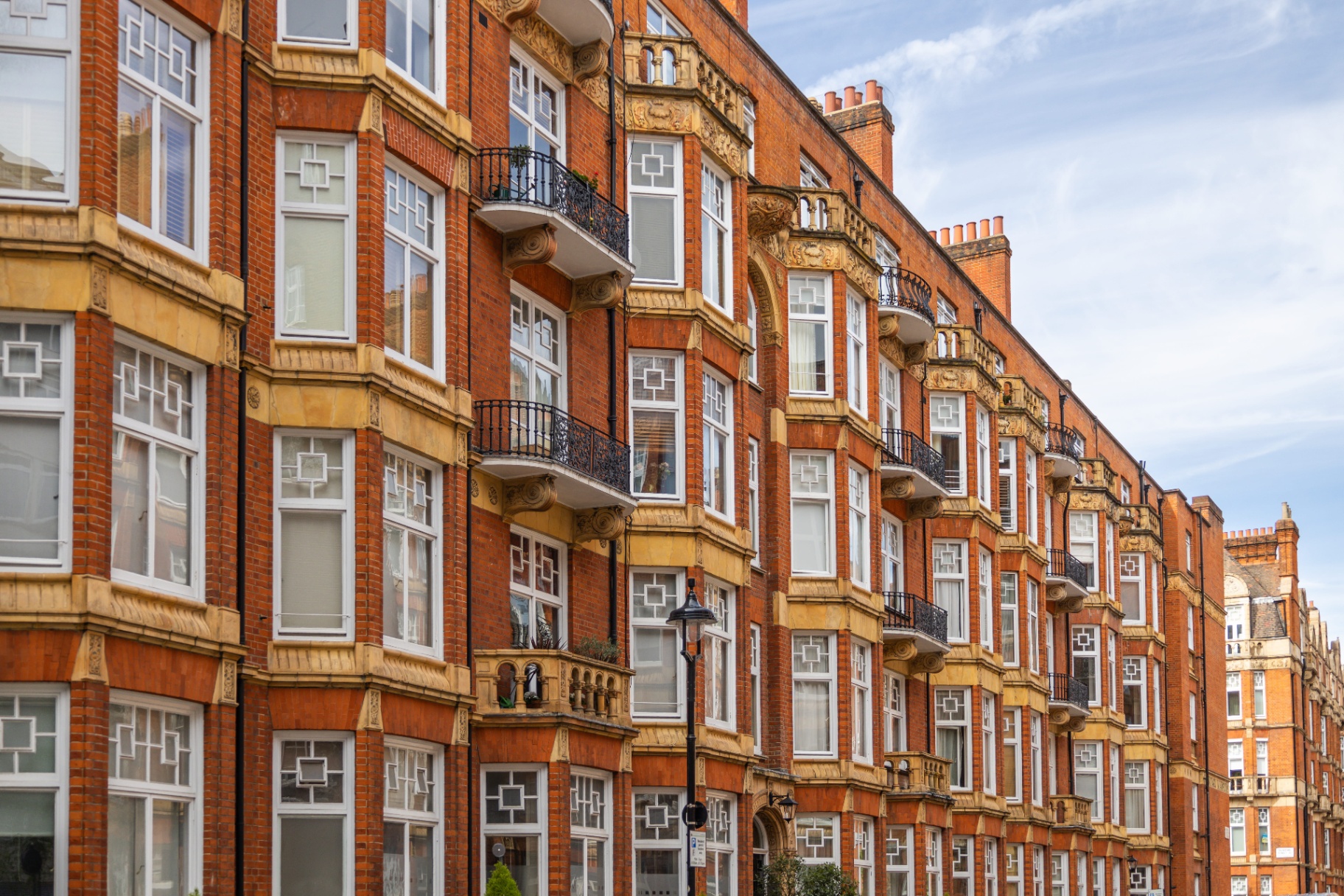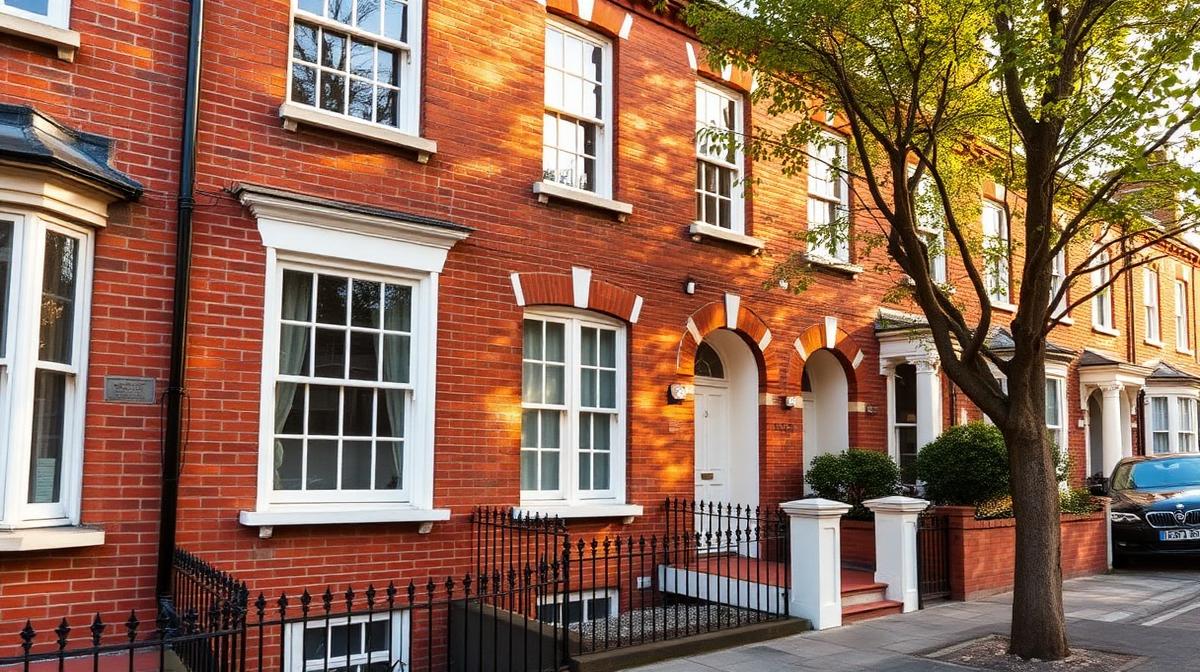

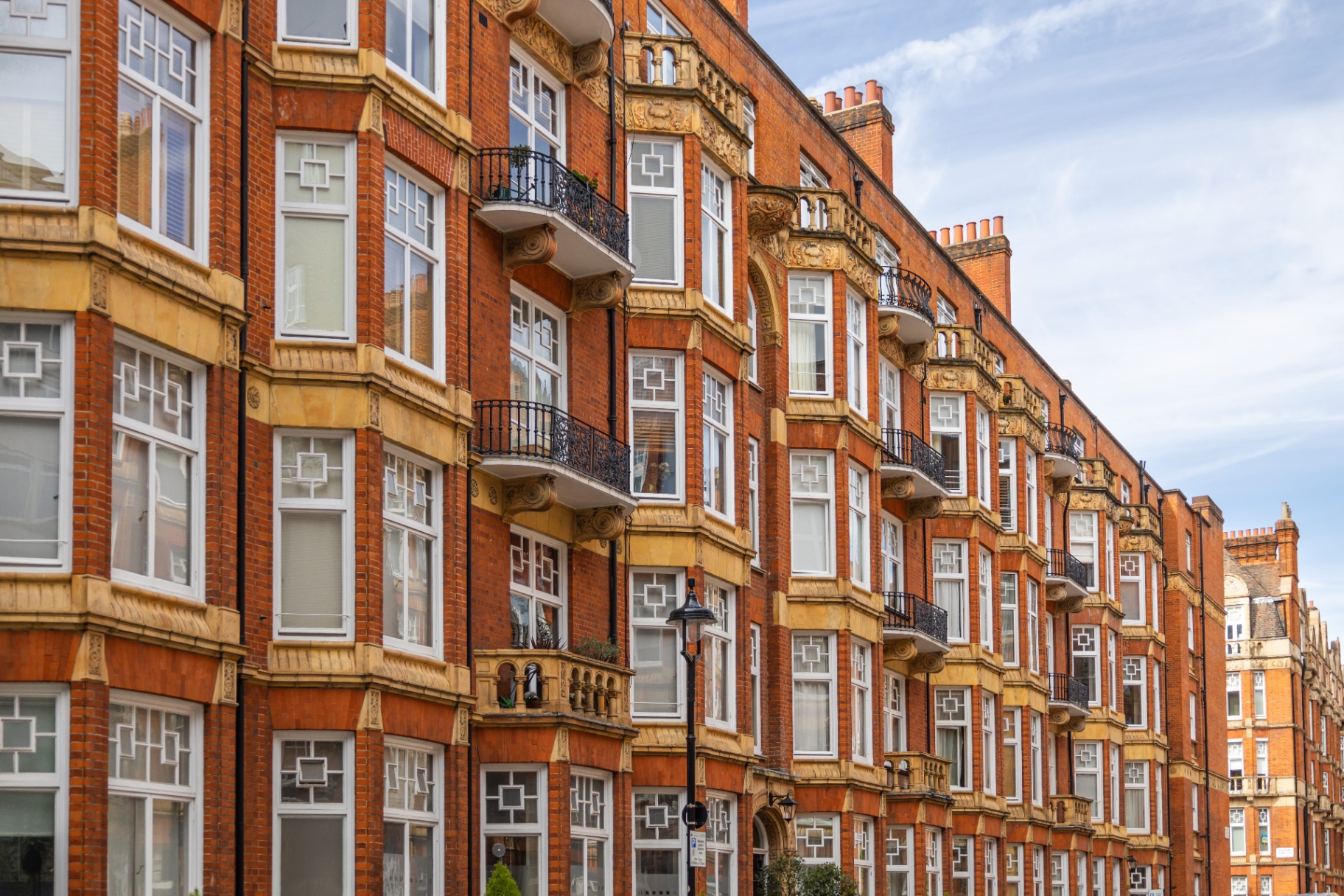
Block of flats insurance is a specialist form of buildings insurance designed to protect multiple flats within a single building or complex. It covers the physical structure of the entire block along with shared spaces such as lobbies, roofs, stairwells, lifts and car parks.
This type of flats insurance policy is quite different from standard home insurance — which usually covers a single dwelling and its contents for owner-occupiers — and from standalone landlord insurance for an individual buy-to-let property. A block insurance policy bundles several properties under one arrangement, providing comprehensive cover across all flats and communal areas.
At Taurus Risk Management — an independent London-based broker — we work with a top panel of UK insurers, helping real estate portfolios, residential management companies and freeholders find the right cover at the right price. Ready to take a fresh look at your block of flats insurance? Request a quote or book a call before your next renewal.
Key Takeaways
- Freeholders, RMCs, RTMs or appointed managing agents typically arrange buildings insurance for the entire block — not individual leaseholders.
- A single block of flats policy usually works better than separate ones, avoiding gaps in communal coverage and simplifying claims.
- Larger purpose-built blocks in London often see higher premiums depending on construction, cladding and claims history.
- Leaseholders generally need their own contents insurance for personal belongings.
- Speak to Taurus Risk Management for a tailored block of flats quote or independent advice.
Who Is Responsible for Block of Flats Insurance in the UK?
In most typical UK freehold and leasehold setups in England and Wales, the freeholder or head lessor is legally responsible for arranging buildings insurance for the whole block. This is usually laid out clearly in the lease, with the freeholder or management company recovering the costs through the service charge.
Responsibility may fall to:
Individual Freeholder
Such as a private owner of a Victorian conversion in London
Resident Management Company
Set up by flat owners to manage the building collectively
Right to Manage Company
Formed under the Commonhold and Leasehold Reform Act 2002
Managing Agent
Professional appointed to act on behalf of any of the above
Leaseholders rarely need to arrange buildings cover themselves where there is a formal leasehold structure — though it is always worth double-checking your lease terms. In most cases, it remains the freeholder’s job to ensure the structure is properly insured. Where a mortgage is in place, the lender will usually want proof that the entire block has adequate buildings cover.
If you are a freeholder or director of an RMC or RTM, get in touch and let us review your responsibilities and current policy wording with you.
What Does Block of Flats Insurance Typically Cover?
A good block policy protects both the physical building and the financial interests of whoever is legally responsible. Typically, flats insurance cover includes:
Core coverage:
- Buildings insurance for the whole structure including walls, roofs, lifts, balconies and communal areas
- Landlord fixtures and fittings plus communal contents like carpets, furniture, light fittings and entry systems
- Property owners liability cover for freeholders, RMCs, RTMs or managing agents
- Alternative accommodation or loss of rental income cover after an insured event
- Employers’ liability cover where caretakers, concierge staff or porters are employed
Optional extras commonly recommended for UK blocks:
- Terrorism insurance, especially in central London and other major cities
- Engineering inspection and breakdown cover for lifts, boilers and secure entry systems
- Legal expenses cover and directors and officers cover for property-related disputes
We always carry out a thorough risk review before suggesting limits and optional covers. Book a consultation today.
The Common Pitfalls
Knowing what is not covered is just as important as knowing what is. Many property owners only discover gaps when they make a claim. Typical exclusions include wear and tear, gradual deterioration or design defects, and damage to leaseholders’ personal belongings inside their flats.
Common issues we see when reviewing policies:
Outdated rebuild valuations
Leads to underinsurance — payouts may be reduced proportionally due to the average clause.
Incorrect building details declared
Cladding, timber frame or flat roofs not properly disclosed can result in claims being rejected or only partially paid.
No cover for unoccupied flats
High numbers of short-term lets or void periods could invalidate claims for affected flats.
Undeclared loft conversions or extensions
The policy may not accurately reflect the true risk profile of the building.
We recommend a professional buildings reinstatement valuation every 3 to 5 years and after major refurbishments. Construction inflation since 2020 has pushed costs up 30 to 40 percent in many areas affected by material shortages. Send us your current policy and valuations so we can spot any gaps or restrictions in your coverage.
How Much Does Block of Flats Insurance Cost?
There is no one-size-fits-all price for flats insurance. Insurers calculate premiums based on a number of factors specific to each building.
Key cost drivers include:
- Rebuild value of the building, from small converted houses to large central London blocks
- Location and postcode, including local flood risk and crime rates
- Building height, construction type, cladding and year built — particularly important post-Grenfell
- Occupancy mix including owner occupiers, private renters, students, housing association tenants or holiday lets
- Claims history over the past few years, especially water damage or fire
Since 2021, market conditions have changed considerably. Rising building material costs, tighter fire safety rules and reinsurance pressures have pushed premiums up by 20 to 50 percent. As a broker, we approach multiple insurers and specialist schemes to find you the best deal — get in touch for a quote.
Who Pays the Premium and How Are Costs Shared?
It is important to understand the difference between who arranges the policy and who actually pays for it. Usually, the freeholder, RMC or RTM arranges the block insurance policy in their name and pays the insurer or broker directly. The total premium is then recovered from leaseholders through the service charge, as set out in the lease.
Service charge budgets are typically planned annually with a portion allocated to insurance. Leaseholders often receive audited accounts or summaries showing how the premium was divided. Leases may specify cost sharing by:
- Floor area
- Rateable value
- Equal shares per flat, even where there are just two flats
Clear documentation helps avoid disputes between flat owners and freeholders or management companies — premium increases can sometimes cause tension. If you are an RMC or RTM director, contact us to review your insurance and how costs are shared.
High Rise, Cladding and Non-Standard Blocks
Not all blocks are straightforward to insure. The post-Grenfell environment and the Building Safety Act 2022 have brought new challenges to the market.
- High-rise blocks over 11 metres or 5 storeys face stricter safety regulations and closer insurer scrutiny.
- Buildings with aluminium composite material or other combustible cladding need external wall system assessments (EWS1 forms) before insurers will offer cover.
- Converted houses, listed buildings, timber frame constructions, flat roofs, older buildings and mixed-use blocks often require specialist insurance markets.
Specialist insurers usually request detailed documentation including fire risk assessments, EWS reports, health and safety records and risk improvement plans before offering cover for complex buildings. As a specialist broker, we are experienced in presenting these risks to underwriters and negotiating terms when standard markets decline. Managing a tall or unusual block? Contact us for a detailed risk review and market search.
How to Arrange Block of Flats Insurance with Taurus Risk Management
We are an independent London-based broker authorised and regulated by the FCA, serving commercial landlords, freeholders, RMCs and RTMs across the UK. We work with a panel of specialist UK insurers to source comprehensive block of flats cover at competitive premiums.
We also provide ongoing support including mid-term adjustments, risk management advice and proactive renewal marketing. Our goal is to secure comprehensive cover without overpaying — and to act as a long-term partner for property owners and managers. Explore our specialist residential real estate, portfolio landlord and mixed-use building insurance services.
To learn more and get started, get in touch with us today for a free consultation.
Frequently Asked Questions
Do individual flat owners still need their own insurance if there is a block policy?
Yes. The block insurance usually covers the building structure and communal areas but does not cover contents inside individual flats. Flat owners should get contents insurance for their personal belongings. If you rent out your flat, you might also need landlord insurance for fixtures, appliances, and rental income protection. Always check your block policy’s schedule and wording to understand where your responsibility starts.
How often should we review our block of flats rebuild value?
We recommend a professional reinstatement valuation every 3 to 5 years, or sooner after major refurbishments. Underinsurance can lead to reduced claim payouts due to the average clause, leaving owners out of pocket. We can connect you with valuation experts and update your insurance accordingly.
Can a block of flats insurance policy include cover for communal facilities like gyms or gardens?
Most comprehensive block policies can cover communal facilities such as gyms, landscaped gardens, play areas, bin stores, and car parks, provided these are declared and described correctly. Some features like swimming pools or playground equipment might require higher liability limits. We encourage managers to disclose all shared amenities to ensure proper insurance.
What happens if a flat is used for short term lets or Airbnb?
Many block policies have restrictions on holiday lets and short-term rentals because they can increase risks. Freeholders, RMCs, and leaseholders should inform us if flats are used this way. We will check policy terms and arrange suitable cover if needed. Not disclosing changes in occupancy could affect claims for the whole block.
Can we switch broker or insurer mid-lease or financial year?
Insurance renewal dates usually do not align with lease or service charge periods. You can often change broker or insurer at renewal without affecting leases. Sometimes a mid-term review is possible after premium hikes, but cancellation fees may apply. Contact us early so we can plan a smooth transition with minimal disruption.