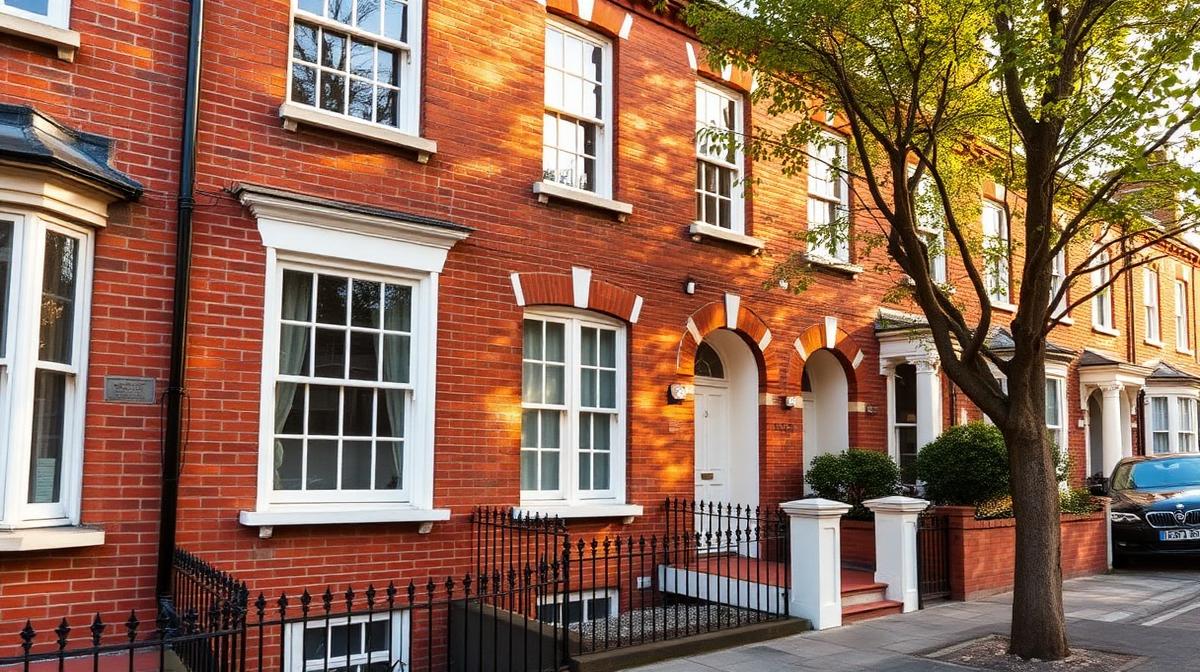


What Is an HMO?
An HMO is a property rented out to three or more unrelated tenants who share facilities such as a kitchen or bathroom. Unlike standard landlord insurance, HMO policies must address the increased complexities of shared living.
Common examples:
- Shared student houses
- Bedsits and flatshares
- Converted single dwellings into HMOs
Because of shared areas and multiple tenants, HMOs carry higher liability risks, making specialist insurance essential. Learn more about tenant types and their impact on insurance.
Converting a Property to an HMO
If you're converting a single dwelling into an HMO, insurers expect:
HMO Licensing
Most local councils require a licence before tenants move in.
Building Compliance
Fire doors, smoke alarms, emergency lighting, and escape routes are mandatory.
Insurance Notifications
Inform your insurer before and after conversion. Standard renovation cover may not extend to HMO use.
Failing to declare a property conversion can invalidate claims, leaving you exposed to financial and legal risk.
Why HMO Landlord Insurance Is Essential
Specialist HMO insurance protects you against:
If you own multiple HMOs, consider a portfolio landlord insurance policy. During void periods, you may also need unoccupied property insurance.
Without tailored HMO insurance, a standard landlord policy may refuse your claim.
Key HMO Insurance Cover to Include
Buildings Insurance
Covers structural repairs or rebuild after fire, flood, or storm
Property Owners' Liability
Protects against claims from tenants, visitors, or contractors
Contents (Landlord's)
Furniture, appliances, and carpets provided for tenants
Loss of Rent
Income protection if property is uninhabitable
Legal Expenses
Covers eviction, rent recovery, and disputes
Legal Indemnity Insurance
Covers defects in title, missing easements, or planning irregularities after HMO conversion
Tips to Optimise HMO Insurance
Commission a Professional Reinstatement Cost Assessment
Accurately calculate the rebuild value of your HMO with a qualified surveyor. Ensures your sums insured are correct, avoiding underinsurance or overpayment.
Maintain Properties to a High Standard
Regular inspections, prompt repairs, and documented maintenance demonstrate active risk management to insurers and may reduce premiums.
Invest in Safety and Security
Fire detection, fire doors, robust locks, and CCTV reduce claim likelihood and may attract discounts.
Review Cover Annually with a Specialist Broker
Brokers familiar with HMO insurance can negotiate terms, identify new market options, and bundle multiple properties for portfolio savings.
Choosing the Right HMO Insurer
When selecting an insurer or broker for your HMO:
- Choose specialists with HMO expertise
- Ensure they cover converted properties
- Check for legal indemnity options
- Understand exclusions (sub-letting, unoccupied periods)
- Ask about portfolio discounts if you own multiple HMOs
HMO Landlord Insurance FAQs
What is HMO landlord insurance?
HMO landlord insurance is a specialist policy for properties rented to three or more unrelated tenants sharing facilities. It covers buildings, contents, liability, loss of rent, legal expenses, and optional legal indemnities for converted properties. Standard landlord insurance often does not cover HMOs.
Do I need HMO insurance if I convert a single property?
Yes. Converting a property into an HMO changes its risk profile, and insurers require notification. Specialist HMO insurance protects against claims, damage, rent loss, and compliance-related risks. Failing to update your policy can void coverage.
What does HMO insurance typically cover?
Typical cover includes: Buildings insurance (fire, flood, storm), Property owners' liability, Landlord contents (furniture, appliances), Loss of rent, Employers' liability (if staff are employed), Legal expenses (eviction, rent recovery), Legal indemnity (title defects, planning irregularities).
Can I get a discount on HMO insurance?
Yes. Ways to reduce premiums include: Commissioning a professional reinstatement cost assessment, Maintaining properties to high standards, Upgrading fire and security systems, Bundling multiple HMOs under one broker.
What are legal indemnities in HMO insurance?
Legal indemnities protect landlords against unexpected planning or title issues—for example, a missing HMO licence, easement dispute, or conversion planning irregularity. They are especially important for converted HMOs.
Does my HMO need to be licensed?
Most HMOs in the UK require a licence from the local council, especially if rented to five or more tenants across multiple storeys. Licensing affects both legality and insurance coverage.
How do I choose the right insurer for my HMO?
Look for insurers or brokers who specialise in HMO policies. Ensure they: Cover converted properties, Include legal indemnities if needed, Are transparent about exclusions (sub-letting, unoccupied periods).